How much does Invisalign cost in Thame?
At Park Street Dental in Thame, Invisalign starts from £2,950 for Express single arch treatment. Invisalign Lite (single arch) is from £3,350 and includes your first three Vivera® retainers and home whitening. Comprehensive dual-arch treatment is from £5,250. All options include a free initial consultation with a full iTero scan. 0% finance is available across every Invisalign treatment.
How long does Invisalign take?
Treatment length varies depending on your case. Invisalign Express typically completes in 3–6 months, Lite in around 6 months, and Comprehensive cases in 12–24 months. During your free consultation we’ll give you a realistic timeline based on your specific teeth — not a generic estimate.
Does Invisalign hurt?
Invisalign is generally much more comfortable than traditional fixed braces. You may experience mild pressure for a day or two when switching to a new set of aligners — this is a sign the treatment is working. There are no sharp wires or metal brackets to cause irritation, and most patients adapt quickly.
Can I get Invisalign on finance?
Yes — 0% finance is available on all Invisalign treatments at Park Street Dental. We can help you spread the cost into affordable monthly payments. Ask our team about current finance options at your free consultation.
Am I a good candidate for Invisalign?
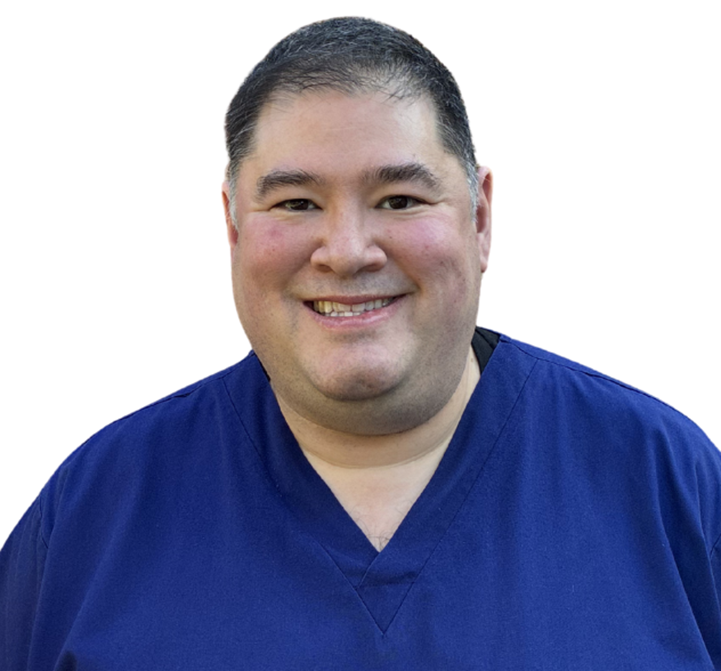
Invisalign treats a wide range of adult cases, including crowding, spacing, overbites, underbites, and crossbites. The best way to find out if you’re suitable is to book a free consultation — our clinician Adam will assess your teeth, take an iTero scan, and give you an honest assessment. Most adults who want straighter teeth are good candidates.
Is Invisalign better than at-home aligners like Smile Direct?
At-home aligner systems are not supervised by a dentist or clinician — treatment is planned remotely without a proper examination, 3D scan, or bite assessment. Invisalign at Park Street Dental involves a full clinical assessment, an iTero digital scan, a ClinCheck® treatment preview, and in-person monitoring throughout. Unsupervised aligner treatment carries real risks, including bite changes and root damage. We believe every patient deserves proper, in-person orthodontic care.
What is Invisalign?
Invisalign is a clear aligner system designed to gradually move teeth into improved alignment. It uses a series of custom-made trays that are worn over the teeth and changed at set intervals. At Park Street Dental Clinic, treatment is planned digitally to guide each stage with precision while supporting everyday comfort and function.
Is Invisalign suitable for everyone?
Invisalign can address many alignment concerns, including spacing and mild to moderate crowding. However, it may not be suitable for more complex cases. A clinical assessment is needed to determine if this approach is appropriate. Your dentist will review your oral health and discuss suitable options based on your individual needs.
How is Invisalign different from traditional braces?
Invisalign uses removable, clear aligners, while traditional braces rely on fixed brackets and wires. Aligners can be taken out for eating and cleaning, supporting daily routines. At Park Street Dental Clinic, patients often choose this option for its discreet appearance and flexibility during treatment.
How long does Invisalign treatment take?
Treatment time varies depending on the complexity of the case and how consistently aligners are worn. Many treatments range from several months to over a year. At Park Street Dental Clinic, your dentist will outline a personalised timeline after assessing your teeth and treatment goals.
Does Invisalign hurt?
Some mild pressure may be felt when starting a new set of aligners, as teeth begin to shift. This is usually temporary and part of the adjustment process. Most patients find the experience manageable and less intrusive than fixed appliances, especially after the first few days of each stage.
Is Invisalign noticeable?
Invisalign aligners are made from clear material, making them less visible compared to traditional braces. They fit closely over the teeth, allowing for a more subtle appearance during treatment. Most people may not notice them during everyday interactions, especially from a typical speaking distance.